

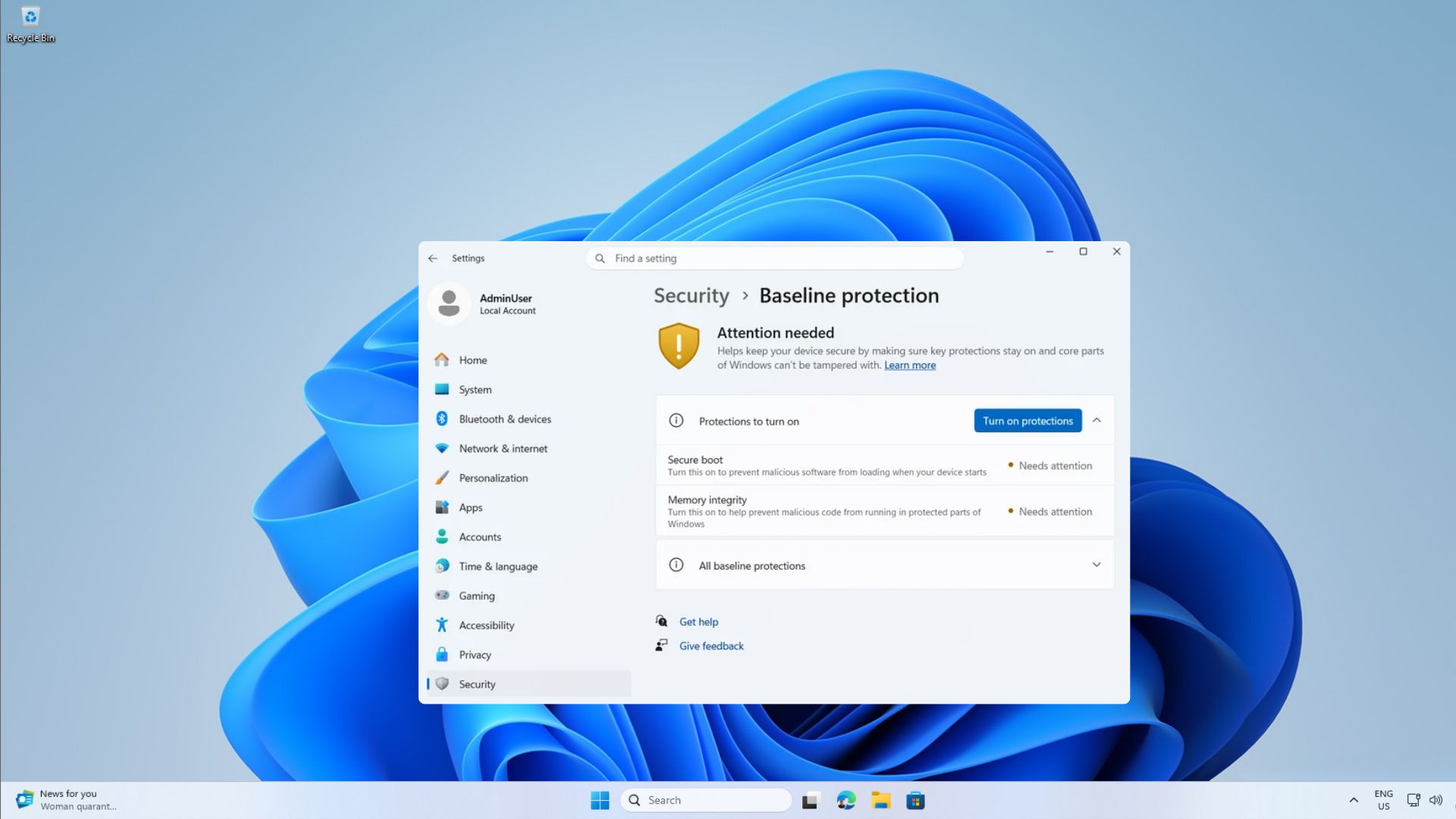
So, MS is about to lock down Windows like Google is locking down Android, and I worry this could also hit Linux if Windows apps start refusing to run in WINE because of not passing the new integrity checks like some Android apps refuse to run in GrapheneOS or LineageOS because they don’t pass Play Integrity.
This could be the beginning of the end of the PC as an open platform if that’s the case.
Lol no we’ll just make new software to break the locks like we always do. I see this as more of a reason for the PC to be an open platform. If the corporations wanna close the door on themselves, I hope they lock it and don’t come back out. We’ll be making some cool shit on our own and hacking theirs if we want to and there isn’t a damn thing they can do about it.
I admire your optimism, but I’d suggest you take a peek at the concept of attestation.
In a nutshell, starting with Windows 11, all the pieces are in place for microsoft to turn Windows into the walled garden. It’s the same concept used on iPhones and is being applied to Android.
The simple explanation of attestation is: it’s possible for any application to validate (via cryptographic signatures) that the application itself, the operating system (re: Windows), and the hardware are all not modified.
The linchpin is baked within the hardware of your computer as there are some public/private keys (TPM). These private keys will never be exposed and if they are, the OS can simply invalidate them during the next OS Update. The public key can be used by the OS and application to validate that “everything is fine”.
Tools like WINE and even virtual machines will never get a legitimate TPM key. So they will always fail their attestation checks. (Just like your banking app not running on your rooted or custom android firmware)
That said, at the moment Microsoft has decades of backwards compatibility shovelled into Windows, which they’re not going to simple drop… and I assume that’s going to make full enforcement of attestation difficult.
But it’s not if Microsoft will do it, it’s when and this will be a slow boil as older applications and APIs are depreciated in favor of attestation enforceable replacements.
tl;dr The OPs concerns are legitimate.
So you’re saying we will no longer be able create and run open source software / hardware, turn off / remove TPM, change operating systems to linux or use existing and future DRM removal tools?
Yeah - and there are so many companies who want remote attestation for their programs. All those fuckers who are currently showing DRM into our faces or always-on copyprotections will use that if available.
I recently has my work passkey revoked by Microsoft because “it didn’t meet the Administrators security requirements”, as they now require the passkey is stored only on the device via attestation (not in the cloud).
This guy called it.
Meanwhile, I’ll just go back to passwords.
https://occupysaas.com/
They’re already making some great alternatives to big tech SaaS platforms. We’ll just need more of this to go with our OSes.
hell yeah